
Basic Overview of Vitamins and Food Sources
Educational content only. No medical services. No promises of outcomes.
This resource provides general educational information about vitamins, minerals, and their common food sources in the context of everyday nutrition. All content is informational and does not constitute personal dietary advice or medical recommendations.
Vitamins are organic compounds that play various roles in bodily functions. They are typically categorized as water-soluble or fat-soluble. Water-soluble vitamins include the B-complex group and vitamin C, while fat-soluble vitamins include A, D, E, and K.
These nutrients are found in a wide variety of everyday foods and contribute to normal physiological processes when consumed as part of a balanced diet.


Common sources of omega-3 fatty acids, vitamin D, and various B vitamins. Examples include salmon, mackerel, and sardines.
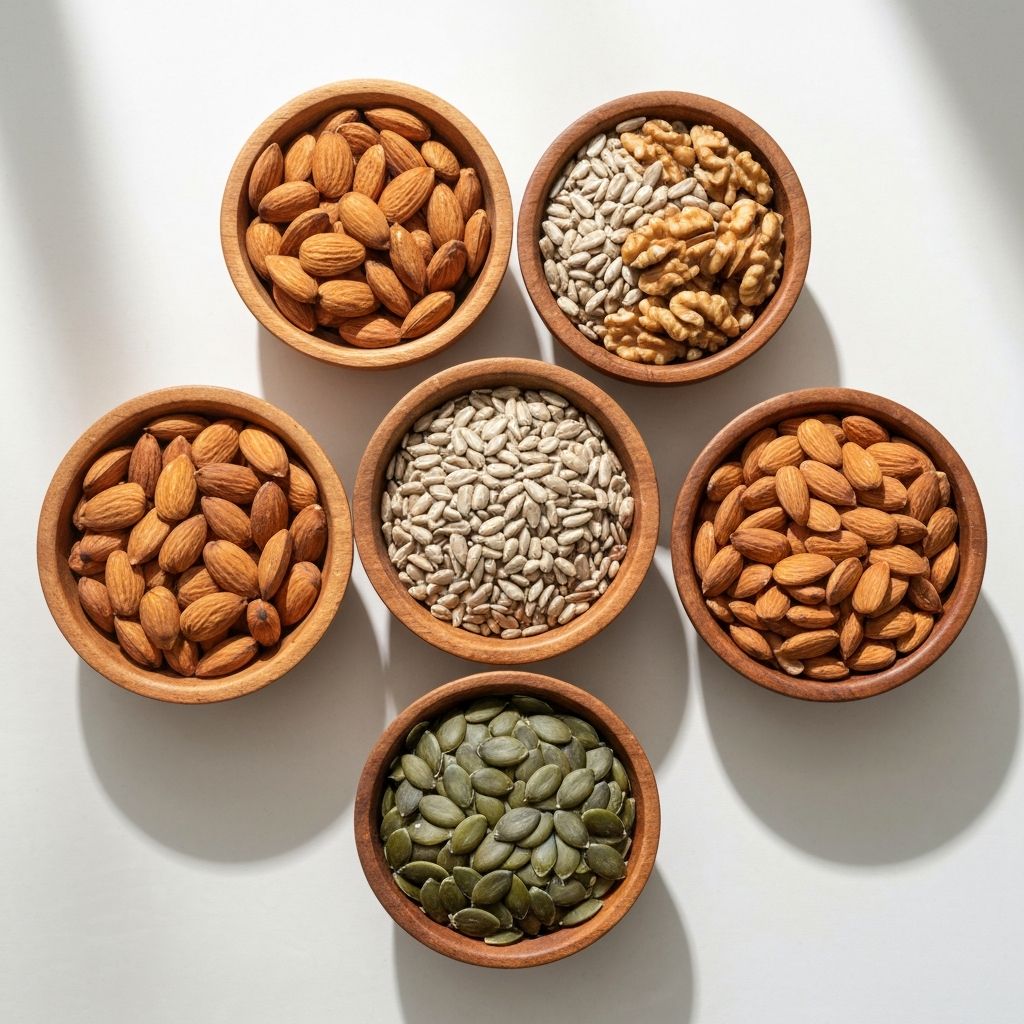
Contain vitamin E, magnesium, and zinc. Common examples include almonds, walnuts, sunflower seeds, and pumpkin seeds.

Rich in folate, vitamin K, and various minerals. Examples include spinach, kale, and other dark leafy vegetables.

Vitamins and minerals function as cofactors in numerous biochemical reactions. They support various normal bodily processes including energy metabolism, cellular function, and maintenance of structural tissues.
A diverse diet containing fruits, vegetables, whole grains, proteins, and healthy fats typically provides these nutrients in adequate amounts for most individuals under normal circumstances.
The specific nutritional needs vary among different populations and life stages. This information describes general patterns rather than individual requirements.
Fact: Excessive intake of certain vitamins can be unnecessary or even counterproductive. Balance is typically more important than quantity.
Fact: Whole foods contain complex combinations of nutrients that work together. Food-based nutrition is the primary approach in most dietary contexts.
Fact: Nutritional adequacy typically comes from dietary diversity rather than single foods.


Common dietary patterns in Mediterranean regions, including Slovenia, often include:
These patterns reflect local food availability and cultural preferences rather than prescriptive recommendations.
Nutritional science continues to evolve through ongoing research. Current understanding of vitamins and minerals is based on:
This field involves multiple disciplines including biochemistry, physiology, and epidemiology. Information presented here reflects general scientific consensus rather than specific medical guidance.
This resource provides general educational information only.
For personalized dietary guidance, consult with qualified professionals familiar with your individual situation.
Learn more about the basic facts and general overview of vitamins and food sources.
View General Overview